The Secret Life of Your Fridge Drawers: Set Them Right and Your Produce Lasts Days Longer
Those little slider tabs in your crisper drawers actually matter. Learn how humidity settings work, what goes in each drawer, and simple routines to cut food waste fast.
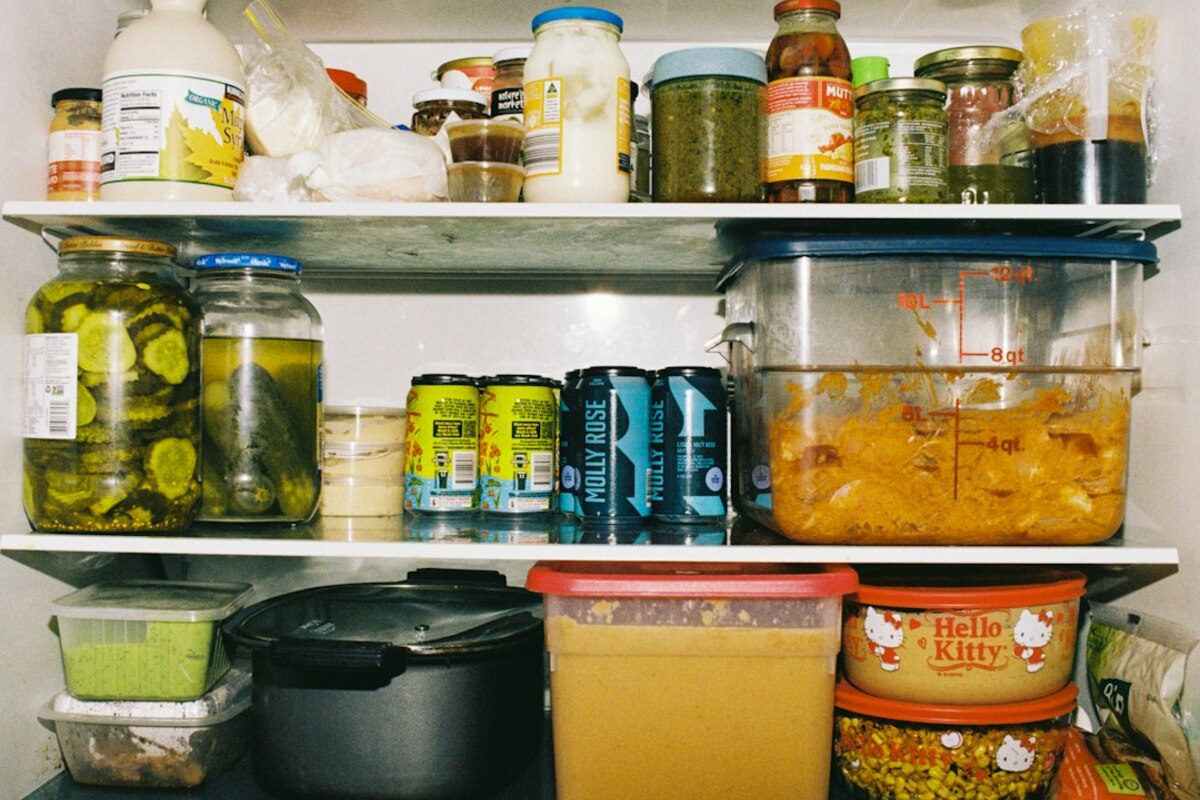
- Crisper settings control humidity: high keeps moisture in, low lets moisture out.
- Match produce to the right drawer to prevent slimy greens, rubbery herbs, and fast-ripening fruit.
- A few low-effort habits (paper towel, airflow, ethylene separation) can extend freshness by days.
What the crisper drawers are really doing (and what that little slider means)
Most fridge crisper drawers have a small slider labeled something like “High/Low,” “Humidity,” or even a tiny icon of a droplet. It looks minor—like a preference setting. But it’s more like a vent control that changes the micro-climate inside the drawer.
Here’s the simple idea: produce is alive after you bring it home. It keeps “breathing” (releasing moisture and gases) and it keeps losing water through its skin. Your crisper drawer can either trap moisture (high humidity) or let moisture escape (low humidity). Getting that choice right is one of the easiest ways to reduce the classic fridge problems: limp lettuce, moldy berries, wrinkly peppers, and herbs that collapse after two days.
Think of it like this: your fridge is a windy, dry environment. The crisper drawer is a small room inside it. The slider controls whether a window in that room is open or closed.
- High humidity = “window mostly closed” → moisture stays in the drawer, produce stays hydrated.
- Low humidity = “window more open” → moisture (and some gases) vent out, which helps prevent dampness buildup.
So why not just keep everything on high humidity all the time? Because different produce has different problems. Some items hate drying out (greens). Others rot faster if they sit in too much moisture (many fruits). And some produce gives off a natural ripening gas that can make nearby items spoil faster (we’ll get to that).
| Slider setting | What it does | Best for | Common mistake it prevents |
|---|---|---|---|
| High humidity | Closes vent; traps moisture | Leafy greens, herbs, carrots, cucumbers | Wilting, limp leaves, rubbery herbs |
| Low humidity | Opens vent; releases moisture | Most fruits, especially those prone to mold | Moldy berries, soggy fruit, condensation puddles |
If your fridge has two crispers, you can set one to high humidity and one to low. If you have only one crisper, you can still use the tips below—just treat the drawer like it has a “main job” and store the outliers elsewhere in the fridge (often a regular shelf works better than a mismatched crisper).

A simple “what goes where” system (with real-life fridge scenarios)
The easiest approach is to stop thinking “vegetables drawer” and “fruit drawer” as a rule, and think in terms of moisture lovers and moisture haters.
Set up your drawers like this:
- Drawer A (High humidity): items that shrivel when dry.
- Drawer B (Low humidity): items that get moldy or slimy when too wet.
Now match common produce to each drawer.
High humidity drawer (moisture stays in):
- Leafy greens (lettuce, spinach, kale, arugula)
- Fresh herbs (cilantro, parsley, dill)
- Celery
- Carrots (especially baby carrots that dry out fast)
- Broccoli
- Cucumbers (if you refrigerate them)
- Green onions (if they’re not stored like a bouquet in a jar)
Low humidity drawer (moisture vents out):
- Berries (strawberries, blueberries, raspberries)
- Grapes
- Cherries
- Apples (they do well with ventilation)
- Pears (once ripe)
- Stone fruit (once ripe)
Scenario: You buy a salad kit, a bunch of cilantro, blueberries, and apples. If everything goes into the same drawer on the same setting, one of two things usually happens:
- Set to high humidity: blueberries start getting fuzzy because condensation builds up, especially if the clamshell traps moisture.
- Set to low humidity: cilantro and salad greens dry out and collapse by midweek.
Split them instead: greens and herbs in high; berries and apples in low. That alone can change your “Tuesday sadness produce” into “Saturday still usable produce.”
What if your fridge has only one drawer? Choose the setting based on what you buy most:
- If you buy lots of greens/herbs: set drawer to high. Store berries on a shelf in their container, ideally with a paper towel (more on that soon).
- If you buy lots of fruit: set drawer to low. Store greens in a loose bag with a dry paper towel on a shelf (or in a dedicated produce box).
A quick note about “ethlyene” (the ripening gas) without the science lecture: Some fruits give off a natural gas that encourages ripening. That’s great if you want an avocado to soften. It’s not great if it’s parked next to your broccoli.
High ethylene producers include: apples, bananas, avocados, pears, peaches, nectarines, plums, tomatoes (when ripening).
Ethylene-sensitive items include: leafy greens, broccoli, cucumbers, carrots, berries.
Practical takeaway: if your greens keep yellowing fast, don’t store them in a closed, high-humidity drawer next to apples. Even if the moisture is right, the gas can still speed things along.
Small habits that make crispers work better (without turning it into a “system”)
Once your slider is set correctly, a few tiny habits can multiply the benefit. These are designed for real kitchens—no special containers required.
1) Add a paper towel where it counts
Moisture is the main reason produce turns slimy or moldy in the fridge. The goal isn’t to make everything dry; it’s to avoid wet surfaces.
- For leafy greens (high humidity drawer): place a dry paper towel in the bag or container to absorb condensation. Replace it if it becomes damp.
- For berries (low humidity drawer or shelf): line the container with a paper towel. Keep berries unwashed until you’re ready to eat (water speeds spoilage if they stay wet).
Think of the paper towel as a “tiny dehumidifier” that prevents puddles while still letting the drawer stay humid overall.
2) Don’t overpack the drawer (air needs a path)
It’s tempting to cram produce into the crispers like a pantry drawer. But airflow matters. Overpacking causes two problems:
- Items get bruised, and bruised spots spoil quickly.
- Moisture gets trapped in weird pockets, creating mini “swamps” where mold loves to start.
If you routinely do a big shop, use a shelf as “overflow” instead of compressing everything into the drawer.
3) Keep produce away from the coldest back wall
Many fridges have cold spots near the back where items can partially freeze. Some produce (especially leafy greens, cucumbers, and herbs) gets damaged by that near-freezing air. Crispers help because they’re slightly more protected—but only if they’re not pushed so far back that items touch the rear wall.
A quick check: if you ever find a half-frozen cucumber or watery lettuce, shift the drawer contents forward an inch and avoid storing delicate produce at the very back of the fridge shelf above.
4) Know the “counter vs fridge” exceptions
Sometimes the crisper drawer isn’t the solution because the fridge isn’t the best place (at least not right away). A few common examples:
- Bananas: usually better on the counter (fridge skin turns brown quickly; inside stays okay but texture changes).
- Tomatoes: counter for flavor; refrigerate only once fully ripe if you need to slow them down.
- Avocados: counter to ripen; fridge to hold once ripe.
- Whole onions and whole potatoes: best in a cool, dark, ventilated spot (not together). Refrigeration can affect texture.
This matters because people often blame the crisper for “ruining produce” that never wanted the fridge in the first place.
5) Use the slider intentionally when your shopping changes
Your needs change week to week. If you’re hosting and bought lots of berries and grapes, switching one drawer to low humidity can help. If it’s “salad week,” switching to high humidity can save a lot of greens.
A simple rhythm some households use:
- Weekdays (meal prep heavy): one drawer high humidity for greens/herbs.
- Weekend snacks/fruit: one drawer low humidity for fruit that molds easily.
On most fridges, High means higher humidity (vent more closed). Low means lower humidity (vent more open). If you’re unsure, slide it and look for a small opening that changes size.
On most fridges, High means higher humidity (vent more closed). Low means lower humidity (vent more open). If you’re unsure, slide it and look for a small opening that changes size.
Common causes are: the greens are stored loose without a bag/container, they’re placed against the cold back wall, or there’s an ethylene producer (like apples) in the same enclosed space. Add a paper towel to manage condensation and separate apples from greens if possible.
Common causes are: the greens are stored loose without a bag/container, they’re placed against the cold back wall, or there’s an ethylene producer (like apples) in the same enclosed space. Add a paper towel to manage condensation and separate apples from greens if possible.
You can, but make sure it’s very dry before it goes into a drawer—especially berries and herbs. Extra surface water is one of the fastest routes to mold. Many people wash right before eating to keep storage simpler.
You can, but make sure it’s very dry before it goes into a drawer—especially berries and herbs. Extra surface water is one of the fastest routes to mold. Many people wash right before eating to keep storage simpler.
If you try only one change, make it this: set one drawer to high humidity for greens and herbs, and keep ethylene-heavy fruit somewhere else. It’s a low-effort tweak that often feels like your fridge suddenly got “better” at its job.